
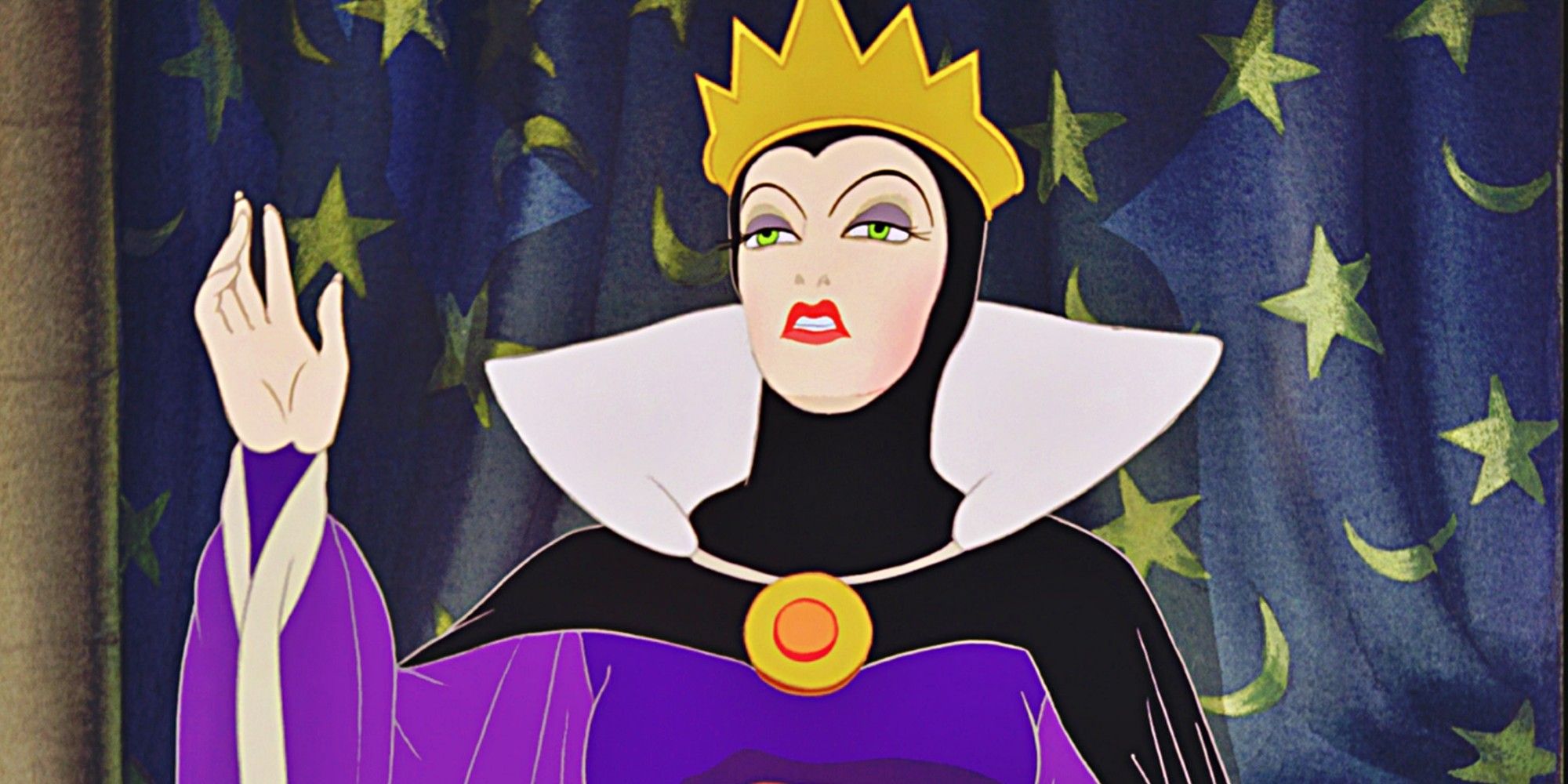
Disney Princess films have enchanted generations of children, shaping ideals of romance, beauty, and female empowerment. Yet a closer look reveals a striking pattern: profound ambivalence, even hostility, toward motherhood. Biological mothers are absent or dead in most stories. Stepmothers and mother-figures are overwhelmingly villainous. The protagonists themselves pursue adventure, self-discovery, or romance—but rarely motherhood or family-building as a positive endpoint. This holds across both classic fairy-tale adaptations and modern entries, though the latter amplify anti-patriarchal messaging while discarding even the traditional wedding coda.
The Pattern of Horrible Mothers
Evil or absent mothers dominate the canon, reinforcing the idea that traditional maternal roles are either irrelevant or actively malevolent.
Snow White and the Seven Dwarfs (1937): The Evil Queen, Snow White’s stepmother, is the archetype. Consumed by vanity, she orders Snow White’s death and attempts to poison her. Maternal care is inverted into lethal jealousy.
Cinderella (1950): Lady Tremaine, the wicked stepmother, enslaves Cinderella, humiliates her, and sabotages her chances at happiness. She prioritizes her own daughters’ advancement over any semblance of familial duty.
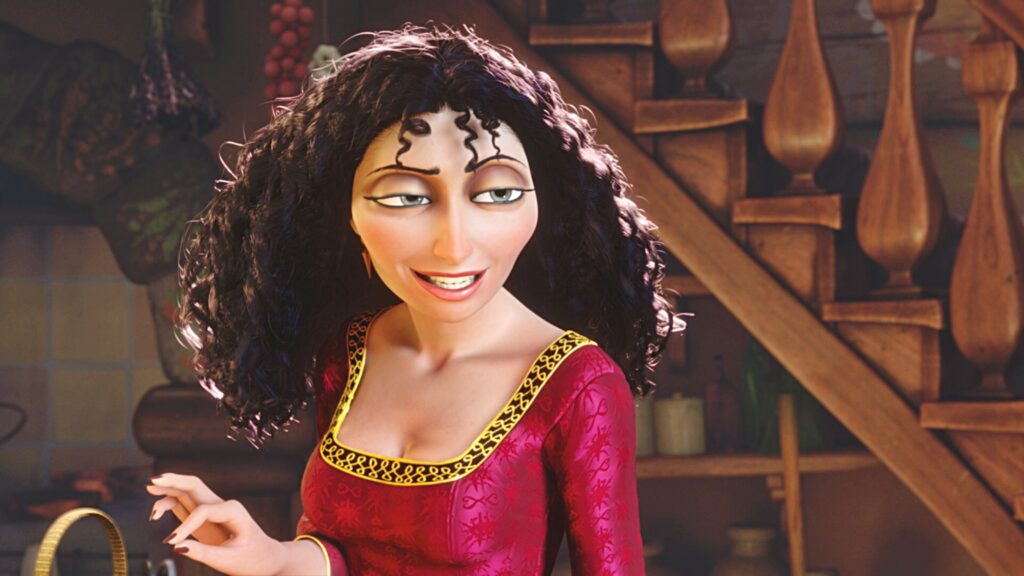
Tangled (2010): Mother Gothel kidnaps Rapunzel as an infant, imprisons her in a tower, and exploits her magical hair for eternal youth. She poses as a protective mother while emotionally abusing and gaslighting the girl. This “mother” figure is one of the most overtly villainous.
Other examples abound: Ariel in The Little Mermaid has no mother (only an overprotective father); Belle in Beauty and the Beast has only her eccentric inventor father; Jasmine’s mother is absent. Even when biological mothers appear, they are often sidelined or powerless (e.g., Aurora’s mother in Sleeping Beauty). Positive, competent mothers raising daughters toward family and continuity are rare in the princess lineup.
This trope isn’t accidental. It creates narrative freedom—orphaned or mistreated heroines must venture out—but it also normalizes the erasure of nurturing motherhood while demonizing maternal authority when it exists.
Protagonists Who Never Become Mothers
Crucially, the princesses themselves do not model motherhood.
Classic films often end with marriage as the triumphant resolution, consistent with the fairy-tale (and Shakespearean comedy) structure where “happily ever after” concludes at the wedding. Babies or family-building are not the goal of romance; marriage resolves the heroine’s immediate suffering or quest. Snow White and Cinderella find safety and love through princely rescue, but the stories stop short of domestic life or children.
Modern princess films go further, often rejecting marriage and domesticity outright:
Brave (2012): Merida actively rebels against betrothal and tradition. The story centers on repairing her relationship with her mother but ends with personal autonomy, not romance or family formation.
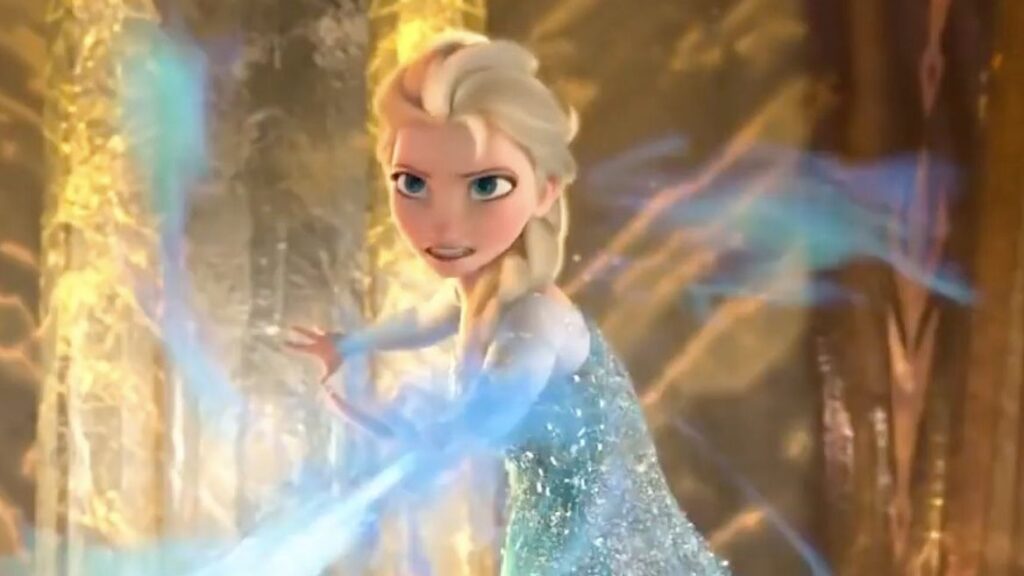
Frozen (2013): Elsa and Anna’s arcs emphasize sisterhood and self-acceptance. Romantic love is secondary or absent for Elsa; the film celebrates independence over traditional roles.
Moana (2016): Moana’s journey is one of leadership and discovery as a future chief. No romantic subplot, no marriage, no hint of motherhood. Her fulfillment comes from voyaging and saving her people through individual heroism.
Tangled and others blend adventure with eventual romance, but even Rapunzel’s story prioritizes escape and identity over settling into motherhood.
Later sequels or shorts may show weddings (e.g., Rapunzel in Tangled Ever After), but the primary theatrical films rarely portray the princesses transitioning into wives and mothers. The happy ending is self-actualization, rule-breaking, or breaking free from parental (often paternal) expectations—not building a new family.
From Fairy-Tale Weddings to Anti-Patriarchy
Early Disney films drew from European fairy tales, where the wedding represented restoration of order, often after maternal absence created chaos. Marriage offered protection and status in a patriarchal world. Yet even then, babies were not the explicit telos; the romance itself sufficed.
Contemporary Disney has internalized critiques of “traditional” femininity. Modern princesses are reframed as empowered individuals who defy kings, customs, and expectations. Patriarchy—embodied in overprotective fathers (Triton, the Sultan) or rigid traditions—is the obstacle.
Motherhood, as the embodiment of continuity, duty, and biological reality, fits uneasily into narratives celebrating radical autonomy and identity exploration. The result: stories where young girls learn that fulfillment lies in adventure, career-like destiny (chief, adventurer, independent ruler), or chosen family, not in becoming mothers themselves.
This shift aligns with broader cultural trends but stands out in children’s media. While Disney once offered aspirational (if idealized) paths toward marriage and implied stability, today’s output often presents motherhood as tangential at best, oppressive at worst. Positive maternal figures exist elsewhere in the Disney catalog (e.g., certain non-princess films), but the flagship Princess brand consistently marginalizes them.
Cultural Implications
Children absorb these narratives deeply. Repeated exposure to dead or evil mothers, combined with heroines whose arcs climax in personal triumph rather than family formation, can be interpreted as subtly devaluing motherhood as a worthy aspiration.
In an era of declining birth rates and cultural debates over family, Disney’s influence is not neutral. Fairy tales have always contained dark elements, but Disney’s curation choices—amplifying wicked stepmothers while downplaying or erasing generative motherhood—warrant scrutiny.
Parents and critics might appreciate the emphasis on courage and resilience. Yet the near-total absence of warm, competent mothers and the protagonists’ failure to embody motherhood themselves suggest to some observers an ideological undercurrent: traditional feminine roles centered on nurturing the next generation are passé or problematic.
Disney Princesses rescue kingdoms and discover themselves—but they rarely rock the cradle. For a company built on magic and wonder, the consistent message is, to many critics, curiously barren when it comes to one of life’s most profound wonders.
Pro-Motherhood Alternatives
Regardless of the motives behind Disney’s storytelling choices, they leave a noticeable gap in the marketplace—one that we intend to fill with beautiful stories about holy princesses who become queens, wives, and mothers. These are stories in which feminine strength is not measured solely by independence or self-discovery, but also by the capacity to nurture families, shape civilizations, and pass on a legacy of faith. The first title in this effort is The Princess Who Said Yes: Saint Clotilde and the Eldest Daughter of the Church, the true story of a real princess who became a queen, a mother, and a pivotal figure in the birth of Christian civilization in Western Europe.
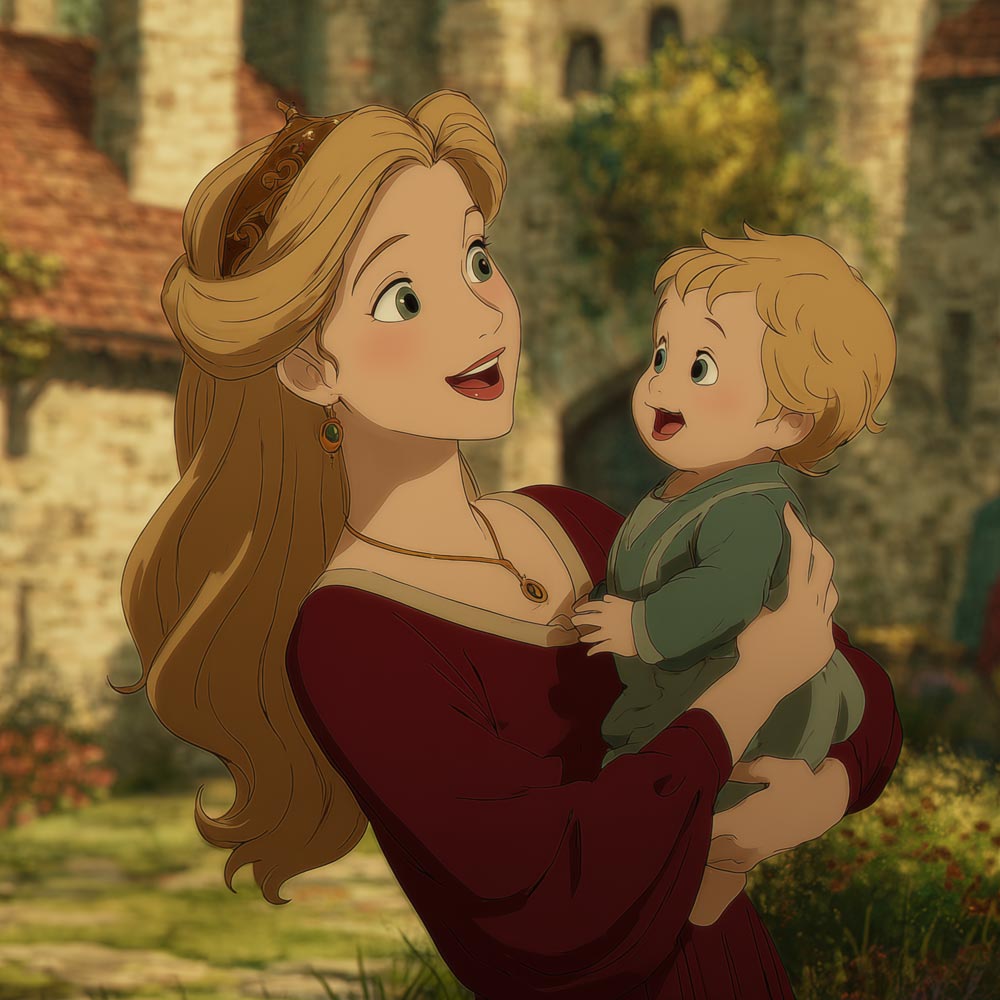
When my six-year-old daughter, an enthusiastic Disney Princess fan, saw the babies depicted in the Clotilde book, she immediately melted with delight and affection. Her reaction was a reminder that the desire to love and care for babies is not something children must be taught; it often emerges naturally and beautifully on its own. Beneath all the castles, crowns, and adventures, many little girls possess a deep admiration for motherhood and the creation of family. Our goal is not to diminish stories of courage or adventure, but to help fill a cultural void by offering stories that celebrate those aspirations as well—stories where princesses grow into queens, mothers, and saints, and where the nurturing of the next generation is presented not as an afterthought, but as one of life’s highest callings.